The Dust
Penalty
Solar promises clean power for the Gulf — but desert dust quietly erodes what panels actually deliver. This project uses SDG 7 to assess a current energy system against a future alternative, measures the soiling penalty first-hand, and reaches a justified judgement on which system better meets regional and global energy needs.
Abundant sun, gas-fired grid, constant dust
Bahrain already delivers power to everyone — almost entirely from natural gas — and has committed to a fast clean-energy pivot. That is the backdrop against which solar's real-world performance, dust included, must be judged.
In an arid grid, does dust erode solar PV's advantage over natural gas enough to change which system better meets the region's energy needs — and can cleaning close the gap without trading an energy problem for a water one?
- Technical — how much output does soiling remove between cleanings, measured on real panels?
- Economic — once cleaning O&M and water are counted, how do gas and solar LCOE compare under subsidised tariffs?
- Environmental — does solar still win decisively on carbon after the soiling and water-for-cleaning penalties?
- Ethical — who bears the water-for-cleaning trade-off, and is the transition just?
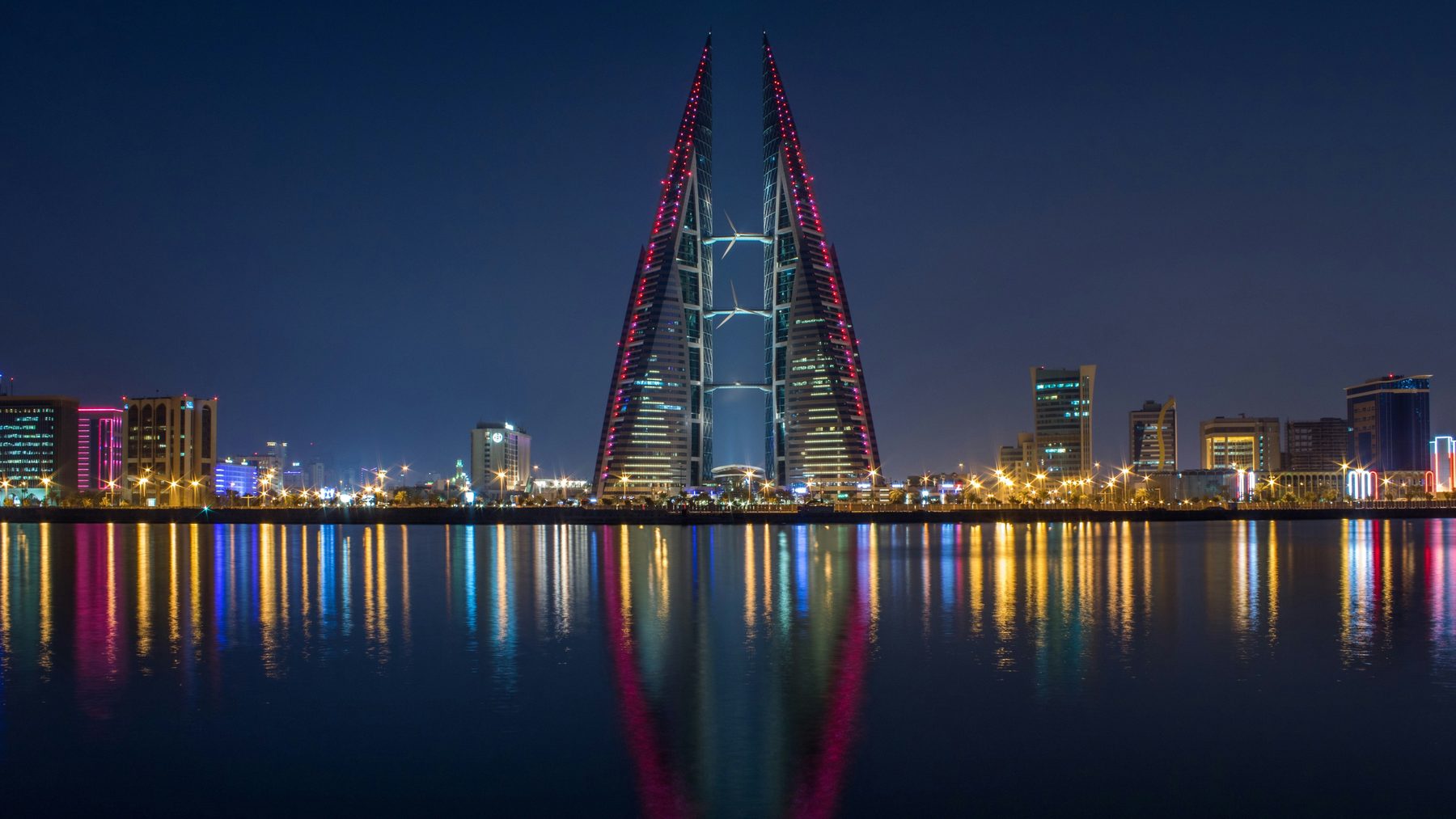
The same sun that makes solar attractive here also drives the dust that settles on every panel.
Figure 1 · Bahrain by night landscape · photo: Charles-Adrien Fournier / UnsplashRead through Sustainable Development Goal 7
SDG 7 calls for energy that is affordable, reliable, sustainable and modern. Three targets frame this project — and the soiling question sits squarely inside the renewable-share target.
How the project unfolds
Read in order, or jump to any entry. The heavy entries — 3, 4, 5 and 6 — carry the Subject-Knowledge and Originality marks and are what the viva will probe.
Every number is tagged by where it came from
Each figure carries a chip so you can trust it.